
Bluetongue Disease in Cattle and Sheep – Ireland (2026)
1. What is Bluetongue? Bluetongue is a viral disease affecting ruminant animals, including cattle, sheep, goats and deer. It is caused by the Bluetongue virus (BTV) and is spread mainly by biting midges (Culicoides species). It does not affect humans. Milk and meat remain safe to consume. Several virus strains (serotypes) exist. In Ireland the current concern is Bluetongue virus serotype 3 (BTV-3). 2. Current Situation in Ireland (2026) Ireland confirmed its first case of BTV-3 in January 2026 in County Wexford. Additional cases have since been detected in multiple cattle herds in southern and eastern regions. Some infected animals show no clinical signs, making surveillance important. Vaccination of [...]

What does a vet nurse actually do?
Veterinary nursing: So much more than holding pets for vets Do you really know what a veterinary nurse does? Although the veterinary nursing profession is working hard to educate the pet owning public about what the job entails, there is much work to be done still. Vet nurses are often asked when they’ll be a qualified vet, a question which can be frustrating but one that is born out of a lack of knowledge about veterinary nursing as a profession in its own right. Because veterinary nursing is just that, a profession of well qualified, highly skilled individuals, whose role [...]

Dental abscesses in rabbits; what are they, and what can we do about them?
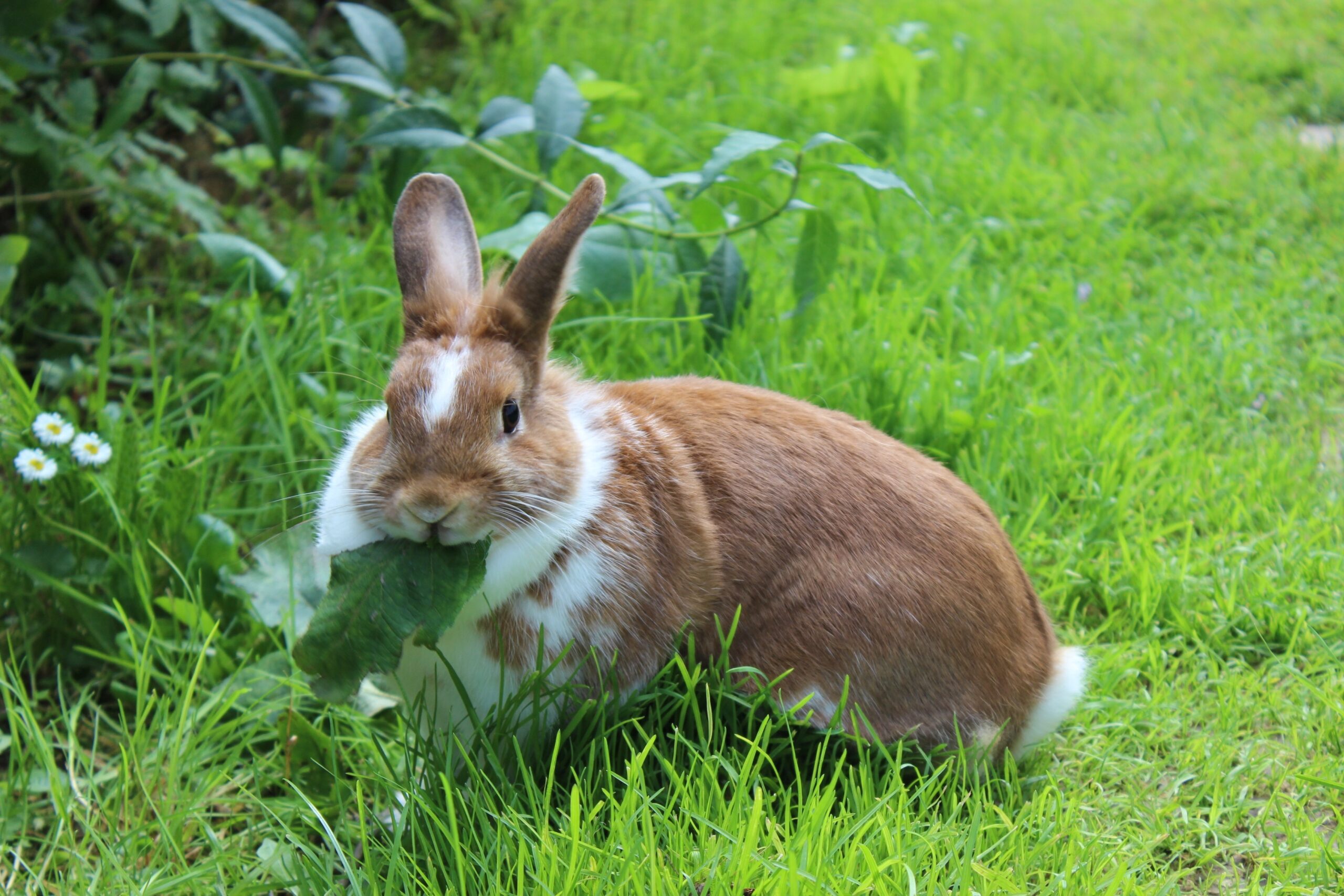
We need to look at the rabbit’s physiology to understand why they get so many dental issues. Rabbits have “open-rooted teeth”; this means that they have a huge “reserve crown” of tooth below their gum-line – we cannot see it, but it is there! Essentially, they have a lot of tooth waiting to rise up into the mouth, hidden below the gum. This means that their teeth are constantly erupting (getting longer) into the mouth. This rabbit-quirk often results in bad teeth for poor Bugs Bunny. Rabbits can have congenital or acquired dental disease: Congenital dental disease is a result [...]

Do dogs get kidney problems?
Yes, they certainly can - although it isn’t as common as in cats, renal disease is seen in dogs. What do the kidneys do? A dog’s kidneys filter the blood and produce urine; overall, they have four basic functions: Controlling water and salt balance - by controlling how concentrated the urine is (more concentrated = less water is lost), and how much salt is reabsorbed from the urine into the blood before it is moved on down to the bladder. Getting rid of waste - the filtration means that wastes (like urea and creatinine) are removed from the blood, and [...]

Pancreatitis – what no pet wants for Christmas – or at all
Pancreatitis is a condition that isn’t well known among animal owners - however, it is one of the more common medical reasons for us to hospitalise a dog or a cat, and we always see a surge in cases around about Christmas time! In this blog, we’re going to look more closely at this horrible disease… What is pancreatitis? Pancreatitis simply means inflammation of the pancreas. OK, but what’s a pancreas? The pancreas is a gland in the abdomen, which the small intestine wraps around. It has two jobs; firstly, to make digestive enzymes (in the “exocrine pancreas”), and secondly [...]




Party Poisons for Pets
Christmas is a great time of year for humans - special foods, festive treats, decorations and all the rest. However, for our pets it’s a different situation - and a much more dangerous one too. So, what are the particularly hazardous substances at this time of year? We’ve made a series of information to give you a quick spin through some of the most common ones! Raisins, currants, grapes Found in: Mincemeat, puddings, mince pies etc. Danger to: Dogs and cats. Cause: Kidney failure. Symptoms: Increased thirst, reduced urination, dehydration, vomiting, metallic-smelling breath, seizures and collapse. Often fatal. Macadamia Nuts [...]